

Worker’s Compensation: Construction Site accidents, Workplace Injuries, Employment Accidents
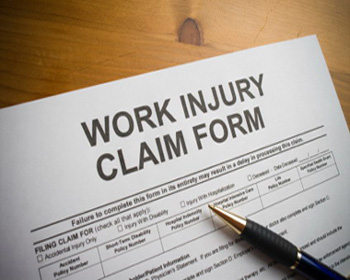
Many times employees’ families ask after a tragic loss of life which occurs in the workplace or after a very serious accident which results in debilitating injuries to an employee, what should we do, what should we have done after the accident occurred? Even more frequently the same questions are asked after a serious but non-fatal or less permanently debilitating accident. The answers are that the employer should be notified immediately. In the case of a death or a serious debilitating injury, OSHA and the state Department of Public Safety should be notified as well as the local building inspector. In the City of Boston, the Department of Inspectional Services should be notified. All of these public entities will coordinate, and there will be an investigation, which ultimately will make findings of fact and, in the case of OSHA, for example, issue fines if there was a violation of OSHA regulations. This provides a roadmap ultimately for where an employee’s Workers’ Compensation and civil courtroom rights exist for you and your lawyer to follow.
While these public entities will not normally be investigating an accident with less serious injuries, your attorney and your attorney’s investigator can do the same kind of legwork for you.
In all cases, and particularly in the case of what seems to be a less serious injury at work, the employer should be notified. A less serious injury could otherwise escape being noticed by your employer. Workers’ Compensation is triggered by the date of the accident and by notice. Many times employees try to shake off an injury in order to stay on the job and keep working and not make waves. They need to know that the employer. The Workers’ Compensation insurers, despite what they say or seemingly convey, want to know about these accidents so that they can properly adjust the claim, determine the circumstances and their coverages. Many times, particularly with back or neck strain or an injury that does not seem to be one that will be long-term, the circumstances of how it occurred become lost in the shuffle of time. A notice to the foreman and a handwritten note to the front office or human resources department is critical to establishing your rights to Workers’ Compensation and to preserving rights to an accident case in addition to Workers’ Compensation. The employer is entitled to do an investigation, and to do so it needs to have notice. The injured worker is entitled to compensation and to do an investigation, and both sides to the equation are on the same page in wanting notice.
The other thing that should be done is that your injuries should be documented, and the history of what happened should be documented medically. If you are injured enough to decide that you should stay out of work, you really should get to an emergency room or another healthcare provider in order to obtain, not put off, needed treatment and to also establish the fact of an accident or injury at work and to document the nature and extent of actual injury. Notice, communication, goes a long way towards making any possible Workers’ Compensation claim go smoothly. Most employee handbooks instruct, and most employers instruct, an employee to report an accident or injury, and the employer’s wishes should be accommodated. For more information on accidents in Massachusetts and injuries at work, see www.flynnlawfirm.com.
loading ...

More on Accident Law
Contact Us
Robert H Flynn is AV rated as a Preeminent Lawyer.
Click the play button bellow to learn what that means

